San Diego or Bust: The 1980 Trade That Unlocked Chuck Muncie's Greatest Years
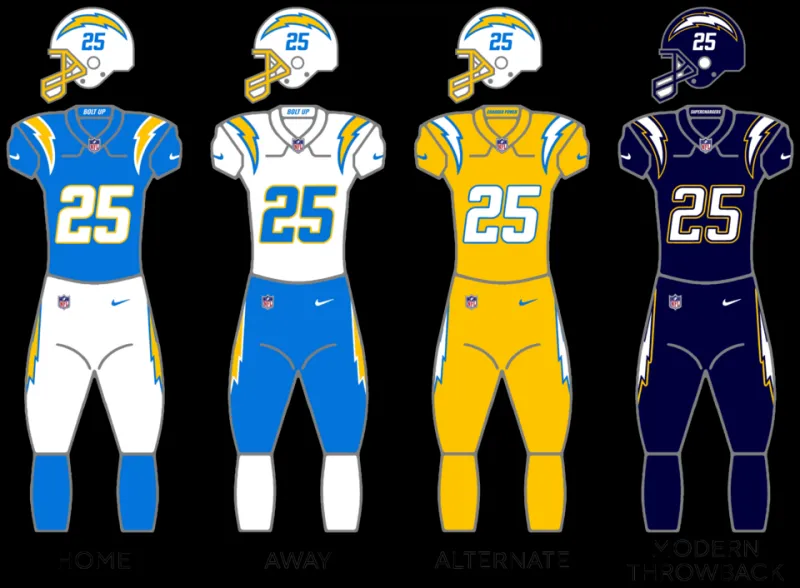
Photo: DaRealConMan, CC BY-SA 4.0, via Wikimedia Commons
There are trades in NFL history that get replayed on highlight reels forever. Then there are trades that quietly reshape an entire franchise's identity without ever getting their proper due. The deal that sent Chuck Muncie from New Orleans to San Diego in October 1980 falls squarely into that second category — and honestly, it's about time we fixed that.
If you were paying close attention to the AFC West that fall, you could feel something shifting. The San Diego Chargers already had Dan Fouts under center, Kellen Winslow terrorizing linebackers, and John Jefferson and Charlie Joiner running routes that defensive coordinators genuinely lost sleep over. What they were missing was a battering ram — a back who could punish a defense that had just spent three quarters trying to defend all that aerial firepower. Chuck Muncie was exactly that guy.
What New Orleans Was Giving Up
Let's not sugarcoat it: the Saints were letting go of a legitimate talent. Muncie had shown flashes of brilliance in Louisiana, but the organization around him was a mess. The mid-to-late 1970s Saints were not exactly a well-oiled machine, and Muncie — a big, physical runner with legitimate receiving ability out of the backfield — never quite got the environment he needed to thrive consistently.
That's not a knock on the Saints as an institution. Every franchise goes through rough stretches. But when you're a skill player who needs complementary pieces to truly shine, being stuck in a rebuilding situation can quietly bury your career stats before anyone notices. Muncie had the talent. He just needed the right room.
The trade compensation at the time seemed modest enough that it didn't generate massive headlines. That's part of why this deal gets overlooked. Nobody was screaming about a blockbuster. But the Chargers' front office, working under head coach Don Coryell, recognized something that the rest of the league was slow to appreciate: Muncie was a perfect fit for what they were building.
The Air Coryell Connection
Here's the thing about Don Coryell's offense that people sometimes miss when they look back at it now. Yes, it was a passing system. Yes, Fouts was the engine. But the best version of Air Coryell wasn't just about throwing the ball everywhere and hoping for the best. It was about creating conflict — making a defense choose between stopping the pass and stopping the run, and then punishing whatever choice they made.
Muncie gave Coryell's offense a dimension it had been lacking. Suddenly, defensive coordinators couldn't just load up their secondary and dare San Diego to run. With Muncie in the backfield, doing that meant absorbing punishment between the tackles all afternoon. And with Fouts reading defenses at an elite level, any overreaction to Muncie's presence opened up the intermediate routes that Winslow and the receivers feasted on.
It sounds almost too clean in hindsight, but that's genuinely how it played out. The 1980 Chargers offense became something close to unstoppable, and Muncie was a central reason why.
The Numbers Tell Part of the Story
After arriving in San Diego, Muncie put together back-to-back seasons that should have cemented his reputation as one of the premier backs in the game. In 1981, he rushed for over 1,100 yards and scored 19 touchdowns — a total that led the entire NFL that season. Nineteen touchdowns. Let that sit for a second.
For context, that kind of production in today's environment would generate wall-to-wall media coverage, endless social media debate, and a Pro Bowl appearance that nobody would question. Muncie did make the Pro Bowl, to be fair. But the broader cultural memory of that season has faded in a way that genuinely doesn't match what he accomplished.
Part of that is timing. The early 1980s NFL was loaded with star running backs, and the media landscape was nothing like what we have today. There was no Twitter to amplify every 50-yard run, no RedZone channel cutting to his touchdowns in real time. You either watched the Chargers game or you caught the highlights on the evening news. Muncie's peak years happened in a coverage environment that simply wasn't built to preserve legacies the way modern sports media does.
A Franchise Transformed
Beyond Muncie's individual numbers, the trade mattered because of what it did for San Diego as a football city. The Chargers were building toward something special, and Muncie's arrival accelerated that timeline in a meaningful way. The 1980 AFC Championship Game — a wild, back-and-forth contest in frigid Cincinnati that San Diego ultimately lost — is still considered one of the greatest playoff games ever played. Muncie was part of that team. He was part of that run.
The 1981 season brought another playoff push, and while the Chargers couldn't get over the hump and reach the Super Bowl, they were legitimate contenders in a way that San Diego hadn't experienced in years. Fans in that city had a team worth watching every single Sunday, and Muncie was a big part of why.
There's something worth acknowledging about what that means beyond just wins and losses. When a franchise becomes genuinely exciting, it changes the relationship between a team and its city. Families start watching together. Kids pick favorite players. People start caring in a way that sticks with them for decades. The Chargers of the early 1980s created that kind of bond with San Diego, and Muncie was one of the faces of it.
What the Trade Actually Meant
Looking back now, the Muncie trade to San Diego feels like one of those deals that only gets properly appreciated in retrospect. At the time, it was a mid-season transaction that didn't dominate the sports page. Over the years, it's been overshadowed by the more glamorous narratives surrounding Fouts and the passing game.
But strip away the noise, and what you're left with is a straightforward truth: Chuck Muncie arrived in San Diego and immediately made one of the NFL's best offenses even better. He produced at an elite level for multiple seasons. He helped turn a franchise into a contender. And he did it all while being consistently undervalued by the broader football conversation.
Here at Chuck Muncie Forever, we're not going to let that stand. The 1980 trade wasn't just a footnote in Chargers history. It was the moment Chuck Muncie found his stage — and what he did with it deserves way more recognition than it's ever received.
Sometimes the defining chapter of a career doesn't announce itself with fanfare. Sometimes it just shows up quietly in October, puts on a powder blue jersey, and starts making everyone around it better. That's exactly what Chuck Muncie did. And that's exactly why we're still talking about it.